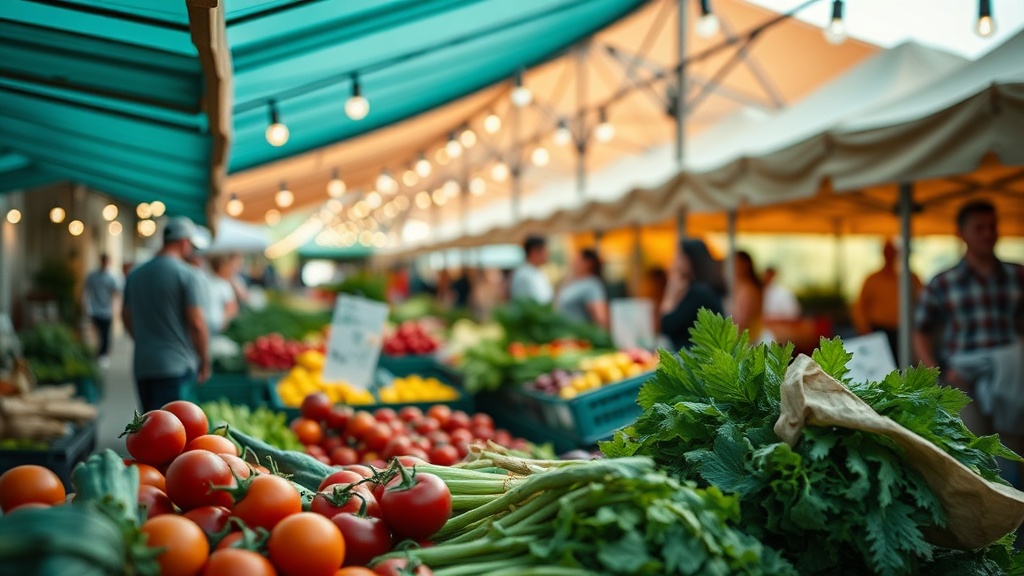
Exploring the Best Seasonal Farmers Markets in Vaughan

Most people think visiting a farmers market in Vaughan means settling for overpriced basil and wilted lettuce. That’s a mistake. When you know where to look, these markets provide much higher quality produce and specialized artisanal goods than any high-end grocery store in the city. This guide breaks down exactly where to find the best seasonal goods, what to expect during different seasons, and how to shop like a local insider.
Where can I find the best farmers markets in Vaughan?
The best farmers markets in Vaughan are primarily centered around the Vaughan Central Park area and various community hubs throughout the city. While some people look for massive, sprawling markets, the true gems in our area are often smaller, more curated, and highly seasonal.
If you want the freshest picks, you need to know the distinction between a "market" and a "farmers market." A standard market might have a lot of vendors selling non-food items like handmade soaps or jewelry. A true farmers market focuses on the agricultural output of Ontario growers. You'll find much better heirloom tomatoes or organic kale at the latter.
For instance, many residents head to the Vaughan Parks areas during the warmer months to find community-driven events. These spots aren't just about buying vegetables; they are about connecting with the people who actually grew your food. It's a different experience altogether.
The Top Vaughan Market Locations
- Vaughan Central Park Area: Often hosts seasonal pop-up markets with a heavy focus on local baked goods and fresh produce.
- Kleinburg Community Markets: These tend to be a bit more upscale, featuring high-end artisanal cheeses, honey, and specialized breads.
- Maple/Woodbridge Local Hubs: Great for finding niche items like organic eggs or specific heirloom varieties of vegetables.
I've spent enough Saturdays wandering through these stalls to know that timing is everything. If you show up at 11:00 AM, you're usually looking at the leftovers. Get there early—ideally by 9:00 AM—to snag the best selection of seasonal berries or sourdough.
What is in season during the Ontario summer?
The peak of the Ontario growing season runs from late June through September, offering a massive variety of fruits and vegetables.
During these months, you aren't just looking for standard produce. You're looking for the stuff that doesn't travel well—which is why it's better to buy it locally. Think of the juicy peaches from the Niagara region or the sweet corn that actually tastes like corn. It's a massive upgrade from the stuff sitting in a shipping container in a warehouse.
If you're planning a day out, you might want to pair your fresh finds with a great outdoor meal. I've previously written about planning a perfect picnic at Vaughan Central Park, which is the ideal way to use these ingredients. A basket full of fresh strawberries, local cheese, and crusty bread makes for a much better afternoon than a standard sandwich.
| Season | Key Produce to Look For | Typical Availability |
|---|---|---|
| Spring | Asparagus, Radishes, Green Onions | May - June |
| Summer | Strawberries, Peaches, Sweet Corn, Tomatoes | July - August |
| Fall | Apples, Pumpkins, Hard Squash, Pears | September - October |
| Winter | Root Vegetables (Potatoes, Carrots), Preserved Goods | November - April |
Note that during the winter, the "market" experience shifts. You won't find much fresh corn in January, but you will find plenty of high-quality preserves, jams, and honey. This is a great time to stock up on items that have been shelf-stable for a while.
How much does it cost to shop at a farmers market?
Generally, you can expect to pay a slight premium (roughly 10-20%) compared to discount grocery stores, but the quality and shelf-life of the products often justify the cost.
It's a common misconception that farmers markets are only for people with huge budgets. While a boutique cheese from a Kleinburg vendor might be more expensive than a block of cheddar from a big-box store, the value is in the flavor and the lack of preservatives. You're paying for the lack of transit time. That peach you buy in July will actually taste like a peach, not a piece of cardboard.
Pro-Tips for Saving Money:
- Bring your own bags: Most vendors appreciate it, and it saves you from buying those flimsy plastic bags.
- Ask about "ugly" produce: Sometimes vendors have fruit that looks a bit bruised or imperfect; these are often sold at a discount.
- Buy in bulk for preserves: If you see a great deal on local honey or jam, grab it. These items last a long time.
- Cash is king: While many vendors now take debit or credit, having cash on hand can make quick transactions much smoother—especially at smaller stalls.
One thing to keep in mind is that prices fluctuate wildly based on what's currently being harvested. If there's a drought in the Niagara region, your berry prices will jump. This is just the reality of local agriculture. It's a living, breathing system.
The Difference Between Organic and Local
It is important to distinguish between "Organic" and "Local." You can find organic produce at a big-box store, but it might have been flown in from South America. At a Vaughan farmers market, "Local" means the person standing in front of you grew that item in Ontario. For many, the proximity is more important than the organic certification. Local food has a much lower carbon footprint, which is a win for the environment.
You can check the official standards for food safety and agricultural practices to understand how different certifications work. It helps to know exactly what you're paying for when you see those labels.
If you find yourself craving a caffeine boost while browsing the stalls, don't worry. Many of these markets feature small-scale coffee roasters or mobile espresso carts. It's a great way to fuel your morning stroll. I've spent a lot of time finding the best hidden coffee spots in Vaughan, and many of the local market vendors are actually quite skilled at brewing a decent cup.
The beauty of these markets is the seasonality. You can't force a tomato to grow in January. You have to wait for the rhythm of the year. That's what makes the experience rewarding. It forces you to eat with the seasons, which is better for your body and better for the local economy.
Next time you're heading out, don't just hit the supermarket. Check the local schedules, grab a reusable tote, and see what the local growers are offering. You'll likely find that the quality of a local strawberry beats a supermarket one every single time.